KPCB Edge — Keep Pushing Costs Back

Free · HUD's 2026 figures

Section 8 income limits for your county.

Pick your state, county and household size to see the extremely low, very low and low income limits HUD set for your area, and where your income falls.
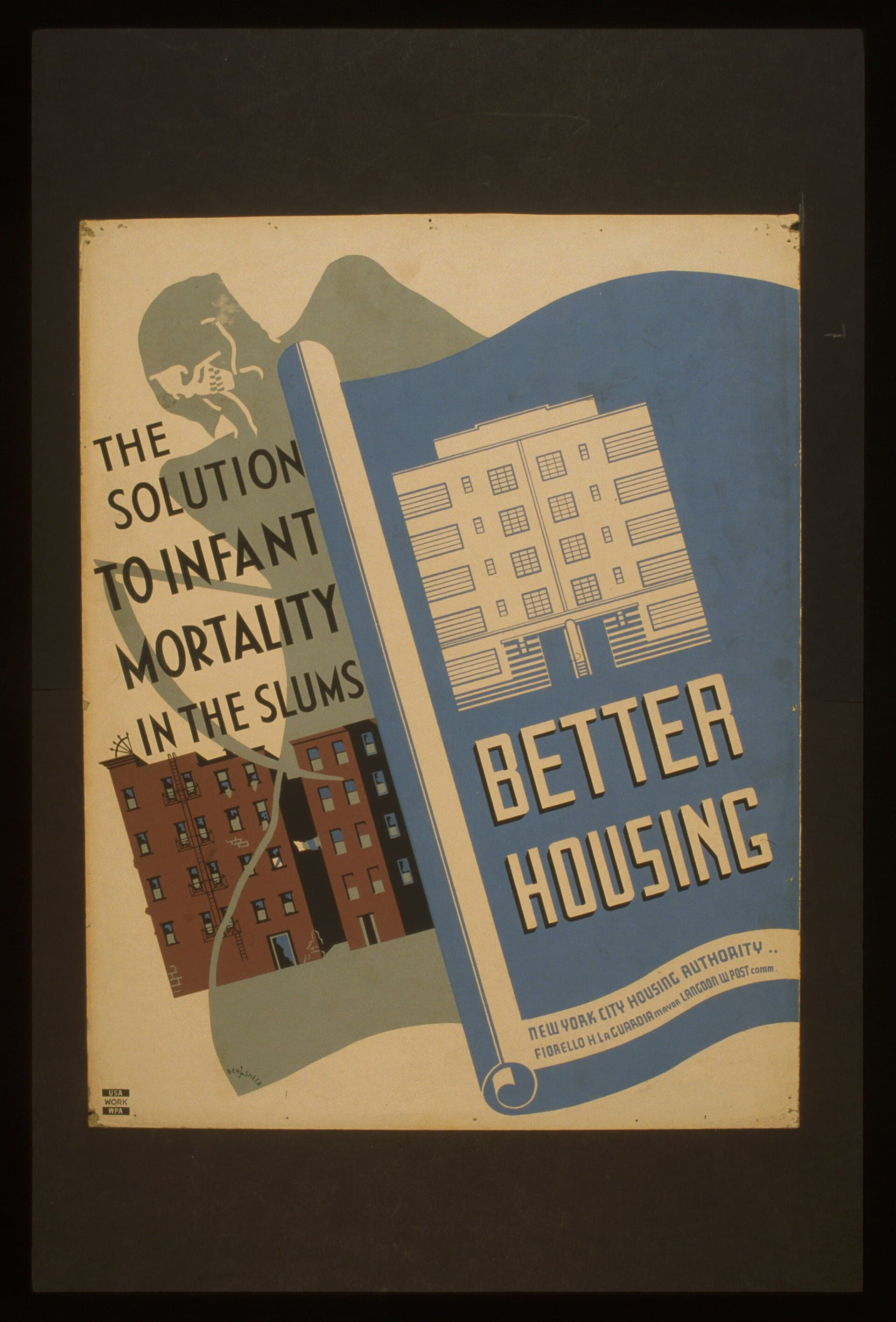
A 1936 WPA poster reading Better Housing, with a new apartment block beside old tenements
WPA poster, 1936

Free lookup · fiscal year 2026

Find your Section 8 income limit

HUD's limits took effect May 1, 2026. Nothing you enter here is saved or sent anywhere.

Choose a state, county and household size to see the limits.

Want to go further? Our free Academy walks you through the application step by step. Open the Academy

How it works

What these limits mean

The three levels

  • Extremely low income: about 30% of the area median income, or the federal poverty line if that is higher.
  • Very low income: 50% of the area median income. Most new voucher families must be at or below this.
  • Low income: 80% of the area median income. Only a few situations qualify at this level.

What to do next

  1. Total the yearly income of every adult in your household, before taxes.
  2. Compare it with the limit for your household size.
  3. Find your housing agency and apply. Applying is always free.
  4. Learn what counts as income and how your rent share is worked out.

KPCB Edge is an independent publisher, not a government agency, and is not affiliated with HUD or any housing agency. Only your local housing agency can decide whether you qualify.

Keep going

More help with Section 8

Good to know

Questions about the limits

Is there one national Section 8 income limit?

No. HUD sets a separate limit for every county or metro area and every household size, so the number that matters is the one for your area. The lookup above uses HUD's published figures for each place.

Which limit do I need to be under?

Most new voucher families must be very low income, which is at or below 50% of the area median income. A family at the low income level (up to about 80%) can qualify only in a few situations. At least 75% of the families a housing agency admits each year must be extremely low income.

Does the housing agency use my gross or adjusted income?

Gross. Your agency compares your yearly income before deductions with the limit. Deductions, such as for children or child care, are used afterward to work out your share of the rent.

Do SNAP or Medicaid count as income?

SNAP benefits are not counted as income under HUD's rules. Medicaid coverage is not cash and is not listed as income. Cash benefits such as SSI, Social Security and unemployment do count.

Can I work and still qualify?

Yes. Eligibility depends on your household's total income compared with your area's limit, not on whether you work. Larger households have higher limits.

Why might my housing agency's number differ from this page?

A housing agency can cover more than one income limit area. When it first checks your eligibility, it must use the highest limit in its area. Ask your agency which area and limit it uses. These figures are for the fiscal year shown above, and HUD publishes new ones each year.

Do my savings matter?

Savings do not automatically disqualify you. Under HUD's updated rules, a family can be turned down at admission if its net assets are over $105,574 (the 2026 amount) or if it owns a home it could live in. Interest your savings earn counts as income.

What if my income is over the limit?

Other programs may still fit. Public housing and housing built with Low-Income Housing Tax Credits have their own income rules, and our benefit finder shows other help you may qualify for. Only the agency running each program can decide.

Sources

Where the numbers come from