KPCB Edge — Keep Pushing Costs Back

Free · 2026 poverty guidelines

Medicaid income limit check: where does your income sit?

Choose your state and household size and enter your monthly income to compare it with your state's adult Medicaid limit, using the 2026 federal poverty guidelines.
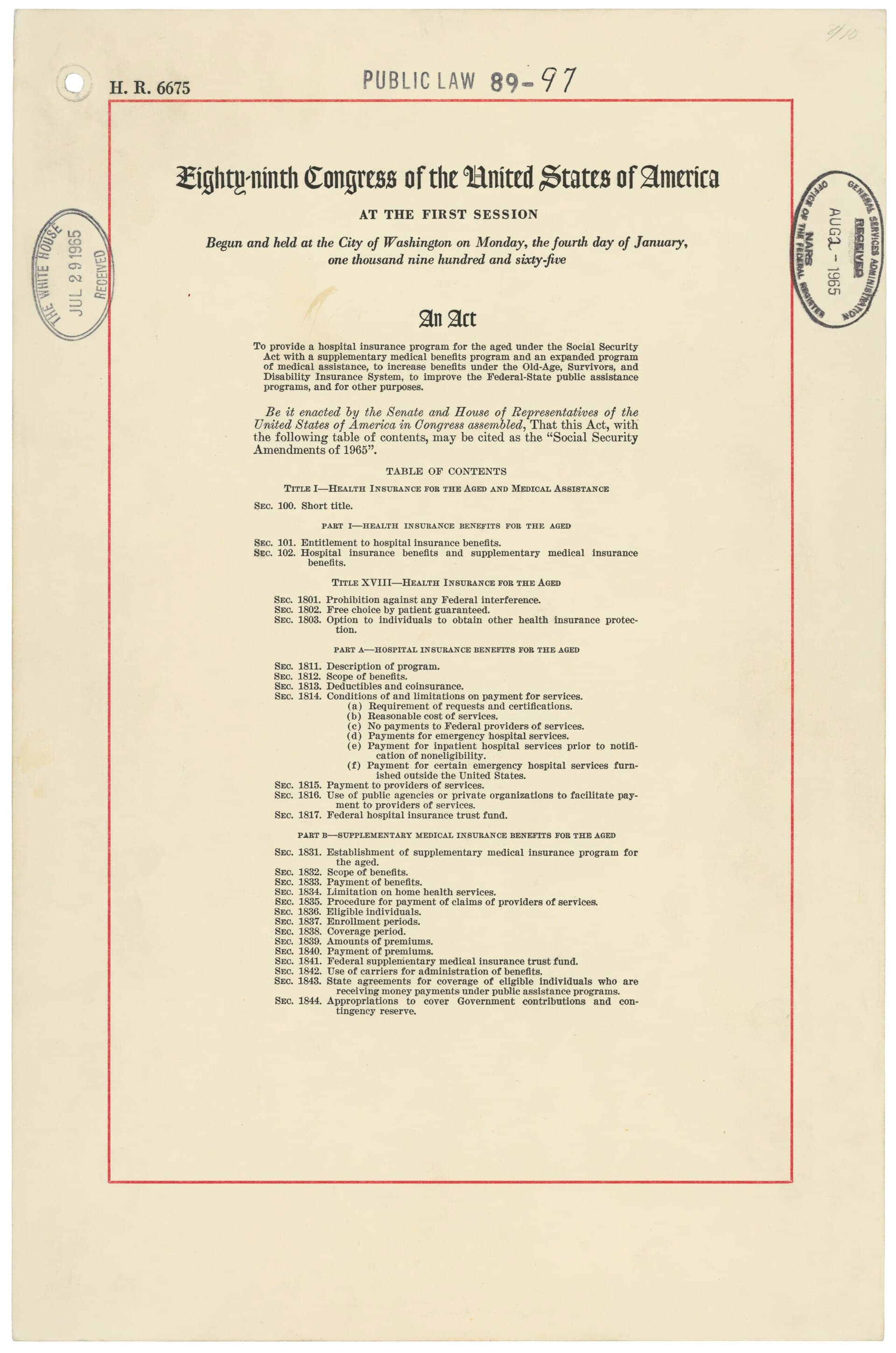
First page of Public Law 89-97, the 1965 act creating Medicare and Medicaid
Public Law 89-97, page one

Tool

Check your income against your state's limit

Uses the 2026 poverty guidelines. Nothing you enter is saved or sent anywhere.

Choose your state and enter your income to see where you stand.

An estimate only. States count income in their own ways (most use the income on your tax return), and only your state Medicaid agency can decide whether you qualify. Applying is free.

Want to go further? Our free Academy walks you through the application step by step. Open the Academy

How it works

How the numbers are worked out

In the states that have expanded Medicaid (41, counting DC), adults can generally qualify if household income is at or below 138% of the federal poverty level. A few states use a different limit.

Medicaid uses modified adjusted gross income, which for most people is close to the adjusted gross income on a federal tax return. It includes wages, self-employment income, unemployment benefits and Social Security benefits, and leaves out some money such as SSI and child support you receive.

Your household is generally the people on your tax return. If you don't file, it is usually you, your spouse and your children under 19 who live with you.

This is an estimate, not a decision. KPCB Edge is an independent publisher, not a government agency, and only the agency that runs the program can decide whether you qualify.

Good to know

Questions about this tool

What if my state hasn't expanded Medicaid?

Ten states have not expanded Medicaid to most adults: Alabama, Florida, Georgia, Kansas, Mississippi, South Carolina, Tennessee, Texas, Wisconsin and Wyoming. Adult limits there are much lower, though Wisconsin and Georgia cover some adults, and children, pregnant women and people with disabilities have their own limits.

Do children have different limits?

Yes. Children and pregnant women generally have higher limits than adults, so apply for them even if your own income is over the adult limit.

Which month's income should I use?

Medicaid usually looks at your current monthly income. If your hours were just cut, use what you earn now.

Is this an eligibility decision?

No. States count income in their own ways, and people who apply because they are 65 or older or have a disability may be judged under different rules, including savings limits. Only your state Medicaid agency can decide, and applying is free.

What if I'm over the limit?

Check HealthCare.gov for a Marketplace plan, and see our Medicaid course for CHIP, Medicare help and what to do if you are denied.

More free tools

Keep going

Sources

Where the numbers come from